Can Electrolyte Drinks Really Help Your Kid Perform? Find Out Here
 Erin Crowell
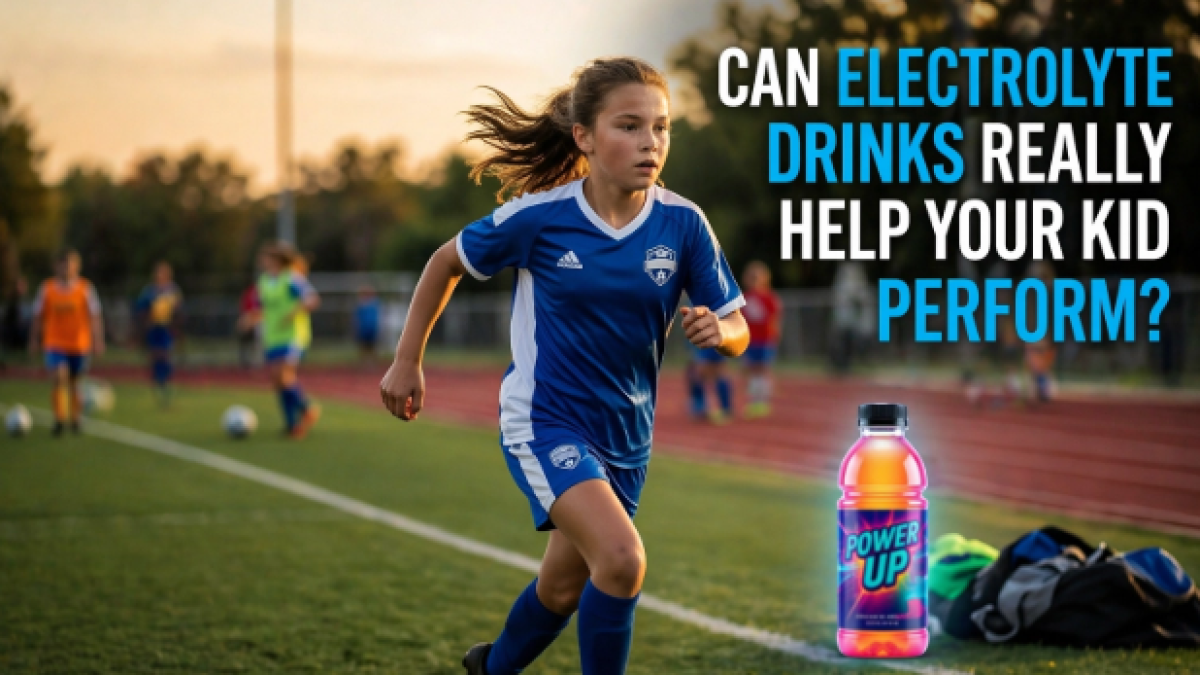
Is your teen athlete reaching for sports drinks after every practice? Learn when electrolyte drinks actually help performance and discover healthier,
If you’ve spent any time on the sidelines of a soccer field or in the bleachers of a high school gym lately, you’ve probably noticed a rainbow of neon-colored bottles. From electric blue to "glacier" cherry, sports drinks have become the unofficial mascot of youth athletics.
As a parent, you want to give your teen every advantage. If a drink promises to improve their "vertical," keep them "in the zone," or "replenish vital nutrients," it’s hard not to toss a 12-pack into the cart. But here at Happy Kids Nutrition Academy, we get asked the same question almost every week: “Does my kid actually need these, or is it just fancy sugar water?”
The answer, like most things in nutrition, is: It depends. Let’s dive into the science of hydration, the truth about those neon bottles, and how you can help your teen athlete perform their best without the sugar crash.
What Are Electrolytes, Anyway? (Minus the Chemistry Degree)
We hear the word "electrolytes" shouted in commercials constantly, but rarely do people explain what they actually are. In the simplest terms, electrolytes are minerals that carry an electric charge. They are the "spark plugs" of the body.
When your teen is sprinting down the field, their nervous system uses these electrical signals to tell their muscles to contract. Without enough electrolytes, those signals get fuzzy. The big players in the electrolyte world are:
- Sodium: The MVP of fluid balance. It helps the body hold onto water so it doesn't just run right through them.
- Potassium: Crucial for muscle contractions and preventing those middle-of-the-night leg cramps.
- Magnesium & Calcium: The support crew that helps with muscle relaxation and energy production.
When kids sweat, they aren't just losing water; they’re losing these minerals, mostly sodium. If the balance gets too out of whack, performance drops, fatigue sets in, and they might even start feeling dizzy or nauseous.

(Suggested Prompt: An infographic-style illustration showing a teen athlete with icons of sodium, potassium, and magnesium sparks around them, highlighting their role in muscle movement and hydration.)
The "60-Minute Rule": When Water Just Isn't Enough
Here is the secret the big sports drink companies don't want you to know: For the average kid playing for an hour, plain old water is perfectly fine.
The human body is incredibly efficient. If your teen had a balanced lunch and is playing a moderate game of basketball for 45 minutes, their body has plenty of internal stores to keep them hydrated. However, there is a "tipping point" where electrolyte drinks for teen athletes actually become useful. We call it the 60-Minute Rule.
You should consider an electrolyte supplement or sports drink if:
- Duration: They are exercising intensely for more than 60–90 minutes continuously.
- Intensity: It’s a high-intensity "all-out" effort (think a heavy track meet or a tournament weekend with multiple games).
- The Heat Factor: They are practicing in high heat or humidity where they are "dripping" sweat.
- Heavy Sweaters: If you notice white salt streaks on their jersey or skin after a workout, they are a "salty sweater" and likely need more sodium replacement than the average kid.
If your teen is just heading to a light practice or hanging out with friends, water is the gold standard. Overdoing sports drinks when they aren't needed is often just adding unnecessary calories and sugar to their day.
The Dark Side of the Neon Bottle
Commercial sports drinks are marketed as health products, but if you flip them over and look at the label, they often look more like melted lollipops.
Many popular brands contain:
- High Added Sugar: Some 20oz bottles contain upwards of 35 grams of sugar. While some sugar (glucose) helps electrolytes absorb faster during intense exercise, most kids don't need that much.
- Artificial Dyes: Red 40, Blue 1, Yellow 5, these have no nutritional value and some studies, like those cited by the Center for Science in the Public Interest, suggest they may contribute to hyperactivity in sensitive children.
- Empty Calories: If a teen isn't burning off that sugar during a high-intensity workout, it’s just extra energy that can lead to weight gain and tooth decay.
Safety First: Sports Drinks vs. Energy Drinks
This is a big one, parents! There is a massive difference between a sports drink and an energy drink, and the two are often confused because they sit next to each other in the refrigerated aisle.
Sports Drinks (like Gatorade or Powerade) are intended to replace fluids and electrolytes. They generally do not contain caffeine.
Energy Drinks (like Prime Energy, Celsius, or Monster) are loaded with caffeine and other stimulants. The American Academy of Pediatrics states clearly that stimulant-containing energy drinks have no place in the diets of children and adolescents. They can cause increased heart rate, anxiety, and sleep disturbances.
Always check the label for "Caffeine" or "Guarana." If it’s there, it’s not a hydration tool, it’s a stimulant.
Natural & Healthier Alternatives
If your kid truly needs an electrolyte boost but you want to skip the artificial junk, you have some fantastic options.
- Coconut Water: Often called "nature's Gatorade," it's naturally high in potassium. Just add a tiny pinch of sea salt to it to bring up the sodium content for a perfect post-game recovery drink.
- The "DIY" Sports Drink: Mix 16oz of water, a splash of 100% orange or tart cherry juice, a squeeze of lime, and a pinch of salt. It’s effective, cheap, and dye-free!
- Milk: Believe it or not, chocolate milk is one of the best recovery drinks out there. It has the perfect 4:1 carb-to-protein ratio, plus it's naturally rich in electrolytes like calcium and potassium.
- Water + Salty Snacks: If it’s not a high-heat situation, your teen can get their electrolytes from food. A bottle of water paired with a handful of pretzels or a banana provides the sodium and potassium they need without the liquid sugar.

(Suggested Prompt: A photo of a homemade sports drink in a glass jar with a slice of orange and a lime, looking refreshing and natural on a wooden kitchen counter.)
Helping Your Athlete Win the Hydration Game
At the end of the day, hydration is about more than just what happens during the game. It’s about the habits they build every day. Encourage your teen to carry a reusable water bottle to school and aim for "pale yellow" urine, that’s the easiest way to tell if they’re on the right track!
If you’re feeling overwhelmed by all the conflicting advice out there, don’t worry, you’re not alone. Our mission at Happy Kids Nutrition Academy is to make this simple and fun for families.
Categories: : Sports Nutrition, Teen Health, Healthy Recipes