Top 10 High-Protein Snacks for Busy Teens (That Aren’t Protein Shakes)
 Erin Crowell
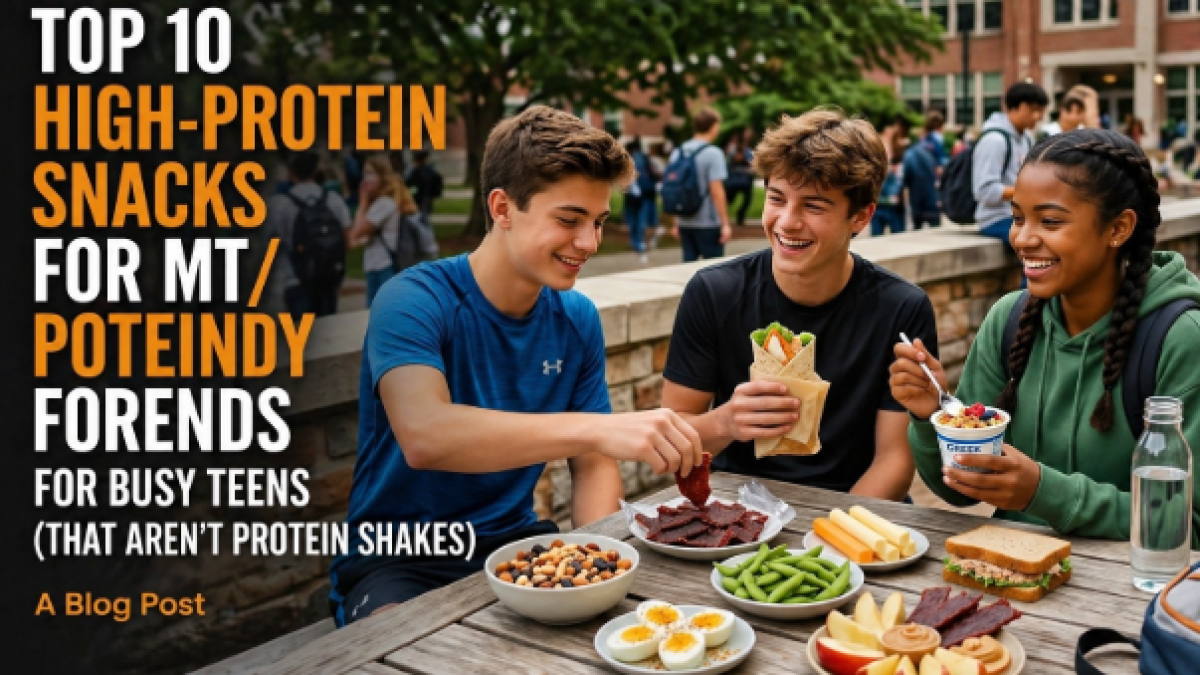
Fuel your busy teen with 10 high-protein, whole-food snacks that provide steady energy without relying on protein shakes.
If you have a teenager in the house, you probably know the "after-school ravenous hunger" all too well. They walk through the door, drop their backpack, and head straight for the pantry like they haven't eaten in three days. Between sports practices, late-night study sessions, and rapid growth spurts, their bodies are working overtime.
As parents, our instinct is often to reach for whatever is fastest. Sometimes that looks like a bag of chips, and other times: thanks to clever marketing: it looks like a chalky protein shake. While shakes are convenient, they often lack the fiber, micronutrients, and "chew factor" that keep kids feeling full and focused.
At Happy Kids Nutrition Academy, we believe in empowering kids to make healthy choices by teaching them the why behind their food. Transitioning from processed supplements to whole-food snacks isn't just better for their bodies; it’s a life skill that builds a foundation for long-term health.
Let’s dive into ten high-protein, whole-food snacks that will keep your teen fueled, focused, and satisfied.
Why Protein Matters for Your Growing Teen
Before we get to the snacks, let’s talk science for a second. During the teen years, the body undergoes a massive amount of development. We aren't just talking about getting taller. Their muscles are growing, their bones are densifying, and their brains are rewiring themselves.
Protein is the building block for all of this. According to the Academy of Nutrition and Dietetics, protein is essential for repairing tissues and supporting the immune system. But for a busy teen, the most immediate benefit of protein is satiety. Protein takes longer to digest than simple carbohydrates, meaning it prevents those "blood sugar crashes" that lead to moodiness and fatigue.
If you’re looking to dive deeper into the basics of fuel, you can explore related topics in our posts on Nutritional Periodization and Can Electrolyte Drinks Really Help?. For a broader overview of protein needs during childhood and adolescence, the Academy of Nutrition and Dietetics also offers helpful guidance.
1. The Mighty Greek Yogurt Parfait
Greek yogurt is a nutritional powerhouse, packing about 15 to 20 grams of protein per cup. That’s double the protein of regular yogurt! The key here is to skip the pre-flavored versions, which are often loaded with added sugar.
How to make it teen-friendly:
Have them layer plain Greek yogurt with a handful of granola, some hemp seeds (for extra protein!), and frozen berries. It’s a "grab-and-go" breakfast or a perfect post-practice recovery snack. If you want to compare dairy foods and their nutrient profiles, MyPlate has a simple overview.
2. Hard-Boiled Eggs (The Original Fast Food)
Eggs are one of the most complete protein sources on the planet. One large egg offers about 6 grams of high-quality protein. The best part? You can boil a dozen at the start of the week, and they are ready whenever the hunger monster strikes.
Pro-tip: Encourage your teen to sprinkle them with "everything bagel seasoning" or a dash of hot sauce to keep things interesting.
3. Savory or Sweet Cottage Cheese
Cottage cheese is making a huge comeback, and for good reason. A half-cup serving delivers a whopping 14 grams of protein. It’s also rich in calcium, which is vital for those growing bones.
How to serve it:
- Sweet: Top with pineapple chunks or a drizzle of honey.
- Savory: Top with sliced cucumbers, cracked black pepper, and a few whole-grain crackers.
4. Beef Jerky and String Cheese Duo
When your teen is literally running from the classroom to the soccer field, they need something portable. Beef jerky (look for brands with low sugar and recognizable ingredients) paired with a string cheese stick provides a hit of protein and fat that provides sustained energy.
This combo mimics the "protein packs" you see in grocery stores but at a fraction of the cost.
5. Homemade Trail Mix (The Smart Way)
Most store-bought trail mixes are mostly chocolate chips and raisins. To make this a high-protein snack, we want the focus to be on the nuts and seeds.
The HKNA Mix:
Combine almonds, walnuts, pumpkin seeds (pepitas), and a few dried apricots. Pumpkin seeds are a "secret weapon": they actually have more protein per ounce than many other seeds!

6. Roasted Chickpeas
If your teen craves a salty crunch like potato chips, roasted chickpeas are the answer. They provide about 7-8 grams of protein per half-cup and are loaded with fiber. You can buy them pre-made, but they are incredibly easy to roast in the oven or air fryer with some olive oil and sea salt.
7. Steamed Edamame
Edamame (young soybeans) is a "complete" plant-based protein. You can buy bags of frozen edamame that are already shelled or still in the pod. A quick 3-minute steam in the microwave, a sprinkle of salt, and they have a snack that provides 9 grams of protein per half-cup. It’s fun to eat and keeps their hands busy while they study!
8. Whole Grain Crackers with Sharp Cheddar
Simple? Yes. Effective? Absolutely. The combination of complex carbohydrates from the whole grains and the protein/fat from the cheese provides a steady release of energy. This is much better than a quick "sugar high" from a granola bar.
If you want to learn more about how food choices support active teens, the American College of Sports Medicine shares evidence-based sports nutrition resources for athletes and families.
9. Nut Butter Packets and Fruit
Whether it’s peanut, almond, or sunflower butter, nut butters are a convenient way to add protein to a piece of fruit. An apple or a banana on its own is great, but adding two tablespoons of nut butter adds 7-8 grams of protein and healthy fats that make the energy last much longer.
10. Hummus and Veggie Dippers
Hummus is made from chickpeas and tahini, providing a nice blend of plant protein and healthy fats. Pair it with "dippers" like bell pepper strips, carrots, or snap peas.
Moving Beyond the "Quick Fix"
We know life is busy. It is so tempting to just hand a teen a protein bar or a shake and call it a day. But at Happy Kids Nutrition Academy, we see snacks as an opportunity. Every time a teen chooses a whole food over a processed one, they are learning how to fuel their own success.
Our organization focuses on interactive, group-based learning. Teens don't just sit and listen: they engage, they ask questions, and they start to understand that the food they eat affects how they feel on the field and in the classroom.
Tips for Parents to Encourage Better Snacking:
- The "Eye Level" Rule: Keep the healthy, high-protein snacks at eye level in the fridge and pantry. If the hard-boiled eggs are tucked in the back, they won't get eaten!
- Involve Them in the Prep: Teens are much more likely to eat something they helped prepare. Let them choose the flavors for the roasted chickpeas or the mix-ins for the trail mix.
- Talk About Energy, Not Weight: Focus on how these snacks help them stay awake during their hardest subject or give them a "second wind" during their sports games.
If you’re wondering how to fit more nutrition education into your busy schedule, it may also help to review practical family nutrition tips from the Centers for Disease Control and Prevention. It’s a helpful starting point for building healthy routines at home.
Join the Conversation
We’d love to hear from you! What is your teen’s go-to snack? Do they have a favorite high-protein "creation" that we missed? Leave a comment below and keep exploring evidence-based nutrition ideas with us.
Nutrition doesn't have to be a battleground. With the right tools and a little bit of prep, we can help our teens navigate these busy years with plenty of energy and a smile on their faces.
Ready to help your teen take the lead in the kitchen? You can also browse more teen-friendly healthy eating guidance at MyPlate.
Categories: : Teen Nutrition, Healthy Eating, Parenting