The Clock vs. The Court: A Parent’s Guide to Nutrient Timing for Young Athletes
 Erin Crowell
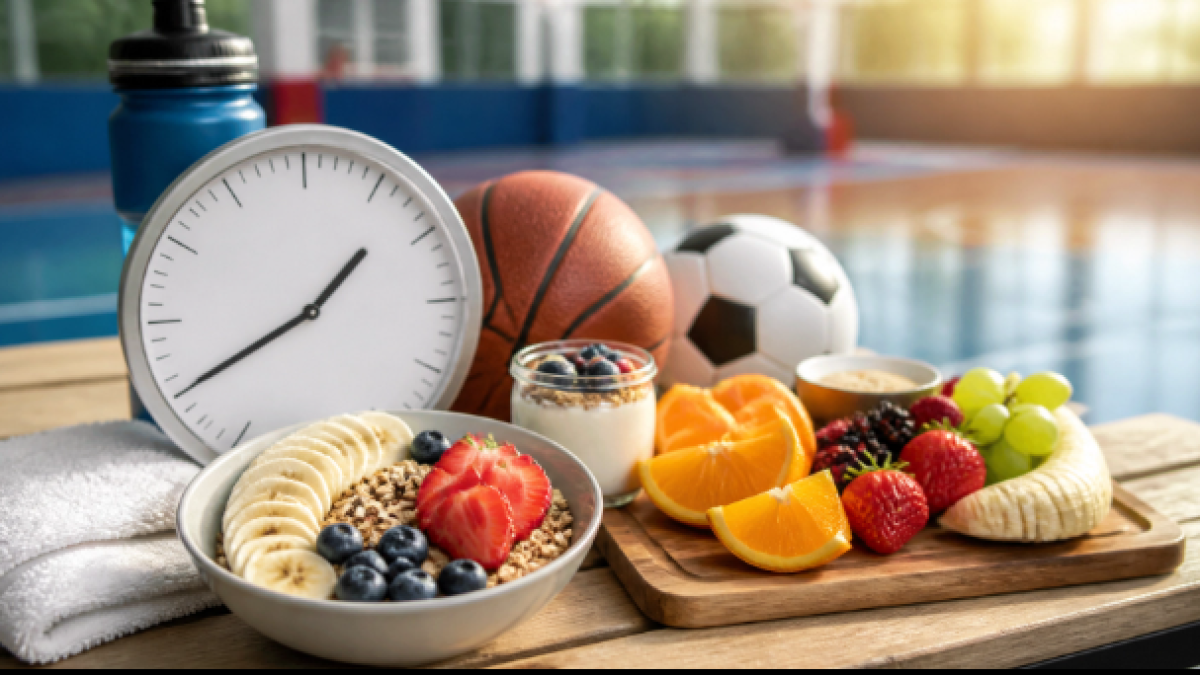
Master the clock! Learn how "Circadian Fueling" & nutrient timing help young athletes perform better and recover faster. Expert tips for parents.
If you’ve ever felt like a part-time chauffeur and a full-time snack-shuttler, you aren’t alone! Between early morning practices, school presentations, and late-night away games, our kids are busier than ever. We often focus on what they eat: making sure they get those greens and enough protein: but in 2026, there’s a new trend that’s changing the game for student-athletes: Circadian Fueling.
At Happy Kids Nutrition Academy, we’re seeing a massive shift toward "Nutrient Timing." It sounds technical, but it’s actually a very simple, intuitive way to help your child feel energized on the court and focused in the classroom. It’s all about syncing their food with their body’s natural clock.
Let’s break down how to time those meals so your athlete can play their best, recover faster, and: most importantly: get a good night’s sleep.
What is Circadian Fueling?
The body has a natural rhythm (the circadian rhythm) that dictates when we are most alert, when we digest food best, and when we need to rest. For a long time, sports nutrition focused on eating a huge pasta dinner the night before a game.
In 2026, the science is clear: front-loading your day is the way to go. This means eating more of your total calories when the sun is up and tapering off as it gets dark. For a preteen or teen, this prevents that "heavy stomach" feeling during late-night practices and ensures they aren't trying to digest a three-course meal when they should be sleeping.
According to the International Society of Sports Nutrition (ISSN), spreading protein and carbohydrates throughout the day rather than back-loading them at night can significantly improve muscle repair and mental focus.
Before the Game: The 4-2-1 Rule
Timing your pre-game fuel is a balancing act. Eat too much, and they feel sluggish. Eat too little, and they run out of steam by the second half. We love the "4-2-1 Rule" for keeping things simple.
4 Hours Before: The "Chew" Meal
This is a full, balanced meal. Think of it as the foundation. It should include complex carbs for long-term energy, lean protein for muscle support, and a little healthy fat.
- Try: A turkey and avocado sandwich on whole-grain bread with a side of fruit, or a chicken and rice bowl with steamed veggies.
2 Hours Before: The "Nibble" Snack
If there’s a long gap between lunch and practice, a small snack is key. Focus on carbs that are easy to digest, and if you want help choosing options with simpler ingredient lists, check out The 2026 Label Decoder: How to Spot "Clean" Foods in Seconds.
- Try: Yogurt with a sprinkle of granola, or some cheese and crackers.
1 Hour Before: The "Sip" Top-Up
This is the final energy boost. Avoid heavy fats or high fiber here, as they can cause stomach cramps.
- Try: A banana, a handful of pretzels, or a small fruit smoothie.
During the Action: Hydration and Quick Energy
For most practices under an hour, water is the absolute gold standard. However, if your teen is in the middle of a two-hour tournament or an intense high-heat session, they might need a little extra help.

When exercise lasts longer than 60–90 minutes, the body’s glycogen (stored energy) starts to dip. A small hit of simple carbs can keep them from "bonking."
- Quick Tip: Look for sports drinks that focus on electrolytes without excessive dyes or artificial sweeteners. Slices of orange or a few pretzels at halftime can also provide that quick sodium and glucose boost without weighing them down.
The American Academy of Pediatrics (AAP) emphasizes that for most youth sports, water is sufficient, but keeping an eye on electrolyte balance is crucial during those long weekend tournaments.
Post-Game Recovery: The Refuel Window
Once the final whistle blows, the "Recovery Window" opens. The first 30 to 60 minutes after exercise are the most critical for rebuilding muscle and topping off energy stores. For a deeper dive into how much protein growing athletes actually need, read Protein Power: How Much Does Your Growing Child Really Need?.
If your kid has a late practice (finishing at 8:00 or 9:00 PM), this is where Circadian Fueling is most important. Instead of a massive, heavy dinner right before bed, aim for a "Recovery Snack" immediately, followed by a lighter, balanced meal.
Recovery Snack Ideas:
- Chocolate Milk: It’s a classic for a reason! It has the perfect 3:1 carb-to-protein ratio.
- Greek Yogurt with Berries: Easy on the stomach and high in protein.
- Protein Smoothie: Blend some frozen fruit with milk or a plant-based alternative.
Making it Work for Your Family
We know that every child is different. Some kids have "nervous tummies" before a big game, while others seem like they could eat a house! The goal isn't perfection; it's about building habits that help them feel their best.
At Happy Kids Nutrition Academy, we dive deep into these strategies in our interactive group classes, and while our internal live schedule is still on the way, you can explore our live classes on Outschool. Our expert instructors use games and activities to teach teens how to listen to their bodies and choose the right fuel at the right time. We believe that when kids understand the why behind their food choices, they’re much more likely to make healthy ones on their own.
A Note on ESA Funds
We are proud to support families by accepting ESA (Education Savings Account) funds. We believe evidence-based nutrition education should be accessible to everyone, and our online format makes it easy to fit learning into your athlete's busy schedule. You can check our FAQ or Support page for more details on how to use these funds for our courses.
Conclusion: Let’s Get Started!
Nutrient timing doesn't have to be a math equation. By front-loading the day, using the 4-2-1 rule, and prioritizing post-game recovery, you’re giving your young athlete a massive advantage: not just in sports, but in their overall energy and mood.
Grab a snack, you can explore our live classes on Outschool, and let’s help your child master the clock and the court
Categories: : Healthy Habits, Sports Nutrition, Teen Nutrition