Protein-Maxxing: Why Your Teen Needs a Kitchen Lab, Not a Supplement Lab
 Erin Crowell
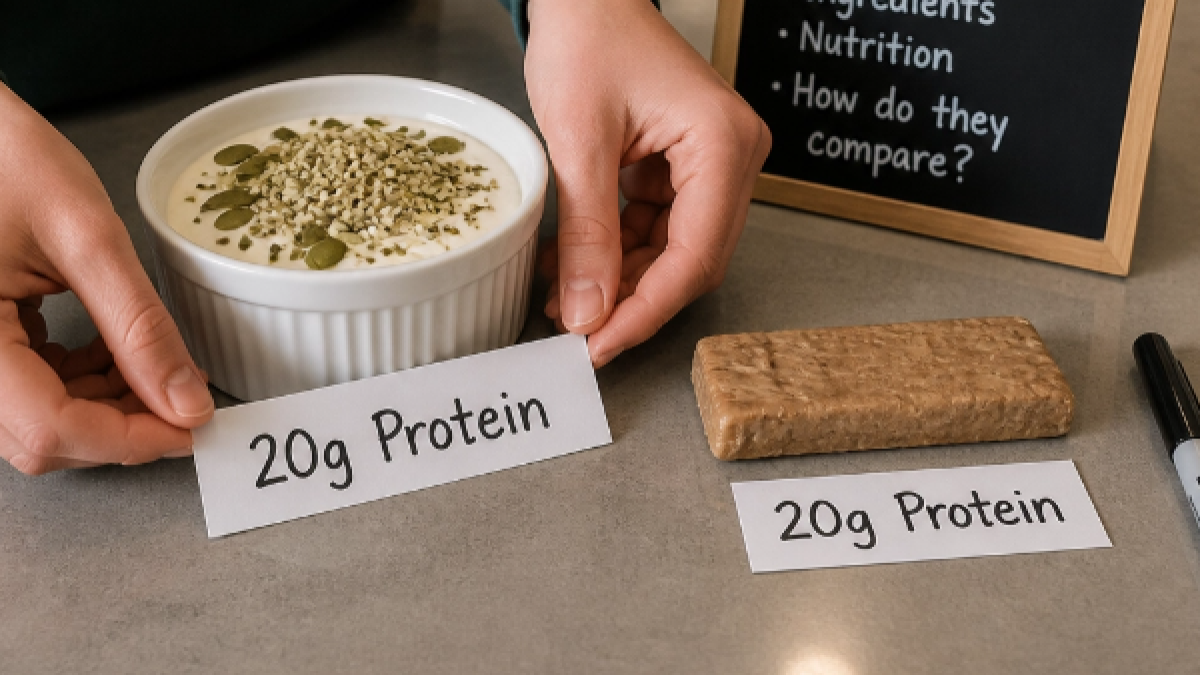
Is your teen "protein-maxxing"? Learn why a kitchen lab beats a supplement lab and how to fuel growth with whole food protein instead of powders.
Protein-Maxxing: Why Your Teen Needs a Kitchen Lab, Not a Supplement Lab

If you’ve spent any time on social media lately, or if you’ve noticed a sudden influx of massive plastic tubs and chalky shakers in your kitchen, you’ve likely witnessed the "Protein-Maxxing" phenomenon.
In 2026, protein has moved past being just a macronutrient; it’s become a personality trait. From "protein-fortified" water to influencers eating 300 grams of chicken breast a day, the message to our teens is loud and clear: More is better, and supplements are the shortcut.
At Happy Kids Nutrition Academy, we are big fans of protein. It’s essential for muscle repair, hormone production, and the massive growth spurts our teens are navigating. But there’s a big difference between fueling a growing body and "maxxing" out on a single nutrient at the expense of everything else.
Today, we’re diving into why your teen’s health journey belongs in the kitchen, not a supplement lab.
What Exactly is "Protein-Maxxing"?
"Protein-maxxing" is the 2026 trend of obsessively tracking and consuming extreme amounts of protein to achieve a specific physique, often fueled by "gym-bro" culture on TikTok and Instagram. It’s not just about getting enough; it’s about hitting astronomical numbers, sometimes two or three times what a growing body actually needs.
For many teens, this means swapping actual meals for shakes, bars, and "protein chips." They aren’t looking for a balanced plate; they’re looking for a high number on a label. While the motivation (getting stronger or healthier) is often positive, the execution can lead down a path of ultra-processed habits and a strained relationship with food.
The Problem with the Scoop: Risks of the Supplement Lab
It’s easy to see why supplements are tempting. They’re fast, they’re marketed with flashy labels, and they promise "gains" with minimal effort. However, relying on powders over plates comes with some hidden baggage that the influencers rarely mention.
1. The "Ingredient List" Rabbit Hole
Most commercial protein powders are ultra-processed products. To make pea protein or whey isolate taste like "Double Chocolate Fudge," manufacturers often load them with artificial sweeteners (like sucralose or acesulfame potassium), thickeners (like guar gum or carrageenan), and synthetic flavorings. For a developing gut, a daily dose of these additives can lead to bloating, digestive upset, and changes in the microbiome.
2. The Microplastic & Contaminant Concern
In 2026, we are more aware than ever of the environmental impact on our food. Research from organizations like Johns Hopkins Public Health suggests that heavily processed powders, which spend significant time in plastic packaging and through industrial machinery, carry a higher risk of microplastic contamination compared to whole, minimally processed foods. Independent tests have also occasionally flagged heavy metals like lead and cadmium in certain brands, something no parent wants in their child’s morning smoothie.
3. Missing the Fiber Boat
When a teen "maxxes" on protein, they often "minimize" on everything else, especially fiber. Protein powders contain zero fiber. A diet high in shakes and low in whole grains, beans, and vegetables is a recipe for sluggish digestion and poor heart health. As noted by Business Insider, the current protein craze has eclipsed the fact that most teens are actually deficient in fiber, not protein.
4. The Orthorexia Trap
Focusing strictly on "hitting your macros" can quickly turn into disordered eating. When a teen starts feeling guilty for eating a piece of fruit because it doesn't have enough protein, or refuses a family dinner because they can't track the exact grams, the "health" trend has become unhealthy.

The "Food First" Philosophy: Why the Kitchen Wins
At Happy Kids Nutrition Academy, we teach a "Food First" approach in all our live classes. Here’s why whole food protein wins every single time:
Bioavailability: The Body Knows the Difference
The human body is designed to recognize and absorb nutrients from a "food matrix." When your teen eats an egg, they aren’t just getting 6 grams of protein. They are getting vitamin B12, choline for brain health, and healthy fats that help the body absorb those nutrients. This is called bioavailability. Supplements are often "isolated," meaning the body may not use them as efficiently as the protein found in a piece of salmon or a bowl of lentils.
Satiety: Feeling Full vs. Feeling "Full"
Have you ever noticed that your teen can chug a 30g protein shake and be hungry again 30 minutes later? That’s because liquid calories don’t trigger the same fullness signals in the brain as solid food. Chewing and digesting whole foods releases hormones like GLP-1 and PYY, which tell the brain, "Hey, we’re good! No need to forage in the pantry for chips."
The "All-In-One" Package
Whole foods are a package deal. When you choose beans as a protein source, you get iron and fiber. When you choose Greek yogurt, you get probiotics and calcium. Protein powders are just... protein.
Kitchen Lab: Whole Foods vs. The Powder
Let's look at the numbers. Many teens think they need a shake to get 20g of protein. But let's see what a "Kitchen Lab" experiment looks like using real food.
| Protein Source | Grams of Protein | The "Extras" (The Good Stuff) | Cost per Serving |
|---|---|---|---|
| 1 Scoop Whey Powder | ~20g-25g | Sweeteners, thickeners, zero fiber. | $1.50 - $2.50 |
| 1 Cup Greek Yogurt + 2 tbsp Hemp Hearts | ~25g | Probiotics, Calcium, Omega-3s, Magnesium. | ~$1.25 |
| 3 Large Eggs + 1 slice Whole Grain Toast | ~22g | Choline, Vitamin D, Fiber, B-Vitamins. | ~$0.90 |
| 1 Cup Cooked Lentils | ~18g | 15g of Fiber, Iron, Folate. | ~$0.30 |
The data is clear: the kitchen provides more "bang for your buck" and a much broader nutrient profile.

How to Talk to Your "Protein-Maxxing" Teen
If your teen is currently obsessed with the powder tub, don't panic! Here’s how to shift the conversation without being the "food police":
- Validate their goal: "I love that you're focused on getting stronger for soccer. It shows how much you care about your performance."
- Introduce the "Food Matrix": Explain that the body is like a high-performance engine. It needs high-octane fuel (whole foods), not just one specific additive.
- Make the Kitchen the Lab: Invite them to experiment with "Power Bowls" or home-made protein bars. When they see they can hit their goals with delicious food, the mystery of the powder fades.
- Educate on Marketing: Help them understand that supplement companies are businesses trying to sell a product. Show them how to read a label for artificial ingredients.
Join the Nutrition Revolution
Education is the most powerful tool we have to help our kids navigate 2026's viral trends. At Happy Kids Nutrition Academy, our organization is dedicated to empowering the next generation with evidence-based food science.
We don't just tell kids what to eat; we show them why through interactive group classes and hands-on kitchen labs. Whether they are looking to fuel their athletic performance or just want to learn how to cook a killer healthy meal, we have a place for them.
Check out our latest blog posts for more tips, or browse our full course catalog to find the perfect fit for your teen.
Let’s get them out of the supplement lab and back into the kitchen where the real magic happens!

Focus Keyphrase: Protein-Maxxing for Teens
Meta Description: Is your teen "protein-maxxing"? Learn why a kitchen lab beats a supplement lab and how to fuel growth with whole food protein instead of powders.
Tags: Teen Nutrition, Protein-Maxxing, Supplements, Kitchen Lab, Food Science, Healthy Habits, Teen Athletes
Categories: Teen Nutrition, Healthy Eating Habits, Food Science for Kids
Social Media Image:

Categories: : Teen Nutrition, Healthy Eating Habits, Food Science for Kids