Boy Kibble and Repetitive Eating: Should Parents Worry?
 Erin Crowell
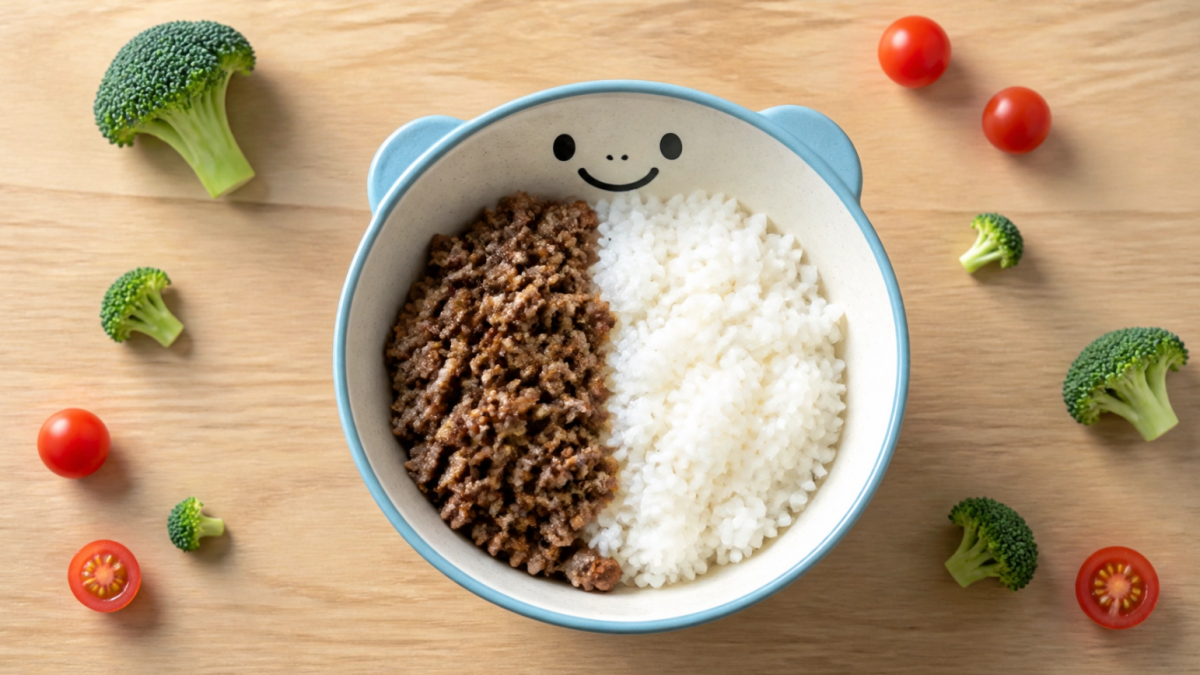
Concerned about the 'Boy Kibble' trend? Learn why repetitive eating is a red flag and how to guide your learner toward balanced nutrition.
Boy Kibble and Repetitive Eating: Should Parents Worry?

If you have spent any time on TikTok or Instagram lately, you might have seen a new trend taking over the feeds of young learners: "Boy Kibble." It sounds like something for the family pet, but it is actually a dietary movement where learners proudly eat the same repetitive, often bland meal every single day.
Typically, this "kibble" consists of ground beef and white rice, sometimes with a fried egg on top. The goal is efficiency, high protein, and "hitting macros." While it might seem like a harmless phase or a sign that your learner is finally taking an interest in their own nutrition, this trend deserves a closer look.
At Happy Kids Nutrition Academy, we believe that education is the key to a healthy relationship with food. We want to help you understand what this trend is, why it is appealing to your learner, and how we can guide them toward a more balanced, evidence-based approach to fueling their growing bodies.
What Exactly Is the Boy Kibble Trend?
The term "Boy Kibble" (or sometimes "Human Kibble") is a tongue-in-cheek reference to the way many gym-focused young learners eat. Much like "Girl Dinner": which focused on aesthetic, snack-like plates: Boy Kibble is purely functional. It is designed to be prepped in bulk, stored in plastic containers, and consumed rapidly to support muscle growth and athletic performance.
For many learners, the appeal is the simplicity. There is no need to decide what to eat, no complex recipes to follow, and the "data" (the protein and calorie counts) remains consistent. In a world where social media influencers are constantly talking about "bulking" and "shredding," Boy Kibble feels like a shortcut to the physique they see on their screens.
Why the Repetition Is a Red Flag for Young Learners
While eating a bowl of rice and beef isn't inherently "bad," the obsession with eating only that meal: or a very limited selection of similar meals: is where the trouble begins. Young learners are in a critical stage of development, and their nutritional needs are vastly different from those of a fully grown adult athlete.
1. The Missing Micronutrients
A diet based heavily on "kibble" is often low in fiber, Vitamin C, folate, and the wide array of antioxidants found in colorful fruits and vegetables. These micronutrients are the "spark plugs" for the body’s chemistry. Without them, learners may feel sluggish, experience brain fog, or have a weakened immune system. You can learn more about how specific foods affect the mind in our guide, Fuel Your Brain: A Kids Guide to Smart Eating and in our course, Understanding Fats: Omega-3 Fatty Acids and Their Impact on Brain Health.
2. The Fiber Gap
Most Boy Kibble recipes rely on white rice because it is easy to digest before a workout. However, a diet low in fiber can lead to digestive issues and does not support a healthy gut microbiome. We often discuss the importance of balancing these components in our Fiber vs. Protein blog post.
3. Rigid Eating and Body Image
Perhaps the most concerning aspect of the trend is the psychological impact. When a learner becomes rigid about eating the same meal every day, it can be a gateway to disordered eating patterns. They may feel anxious if they have to eat a family meal that hasn't been "tracked" or if they are offered a food that doesn't fit their specific protein goals. This obsession with "protein maxxing" is something we address in depth in our article on why your learner needs a Kitchen Lab, not a supplement lab.

From "Kibble" to Kitchen Lab: Making the Trend Healthier
If your learner is excited about the idea of a "power bowl," we don't necessarily have to shut it down. Instead, we can use it as a teaching moment to introduce the science of food. At Happy Kids Nutrition Academy, we use a "Kitchen Lab" approach to show young learners how different ingredients function in their bodies.
Here are a few ways to help your learner "upgrade" their bowl without the power struggle:
- Rotate the Proteins: Encourage them to swap ground beef for lean turkey, chicken, tofu, or even beans and lentils. This reduces saturated fat and introduces different amino acid profiles.
- Upgrade the Grain: Try swapping white rice for quinoa, farro, or brown rice. These options provide more fiber and B vitamins.
- The "One-Third" Rule: We suggest making at least one-third of the bowl colorful vegetables. Frozen broccoli, sautéed spinach, or sliced bell peppers are easy additions that don't add much prep time but provide massive nutritional benefits.
- Add Healthy Fats: A few slices of avocado or a drizzle of olive oil can help their bodies absorb fat-soluble vitamins (A, D, E, and K), which are crucial for growth and development.
- Learn the Food Science: If your learner enjoys experimenting with meals, our Introduction to Food Science: Food Technologies for Young Learners, NGSS Aligned course can help them connect ingredients, cooking methods, and nutrition in a hands-on way.
How to Talk to Your Learner About Balanced Eating
It is important to remember that most learners are following this trend because they want to be healthy and strong. When we approach the conversation, we should do so with a supportive and encouraging voice. Instead of lecturing them on why their "kibble" is bad, we can invite them to explore the "why" behind their food choices.
You might say, "I love that you're focusing on your protein intake for soccer, but did you know that your muscles also need specific vitamins from veggies to recover faster?" This shifts the focus from restriction to performance and health.
For parents who want to dive deeper into the science of what their children need, our course on the Introduction to Macronutrients is a fantastic starting point. It helps both parents and learners understand how protein, fats, and carbs work together.

Join Our Community of Healthy Learners
We know that navigating the world of social media trends and learner nutrition can feel overwhelming. You are not alone in these experiences. At Happy Kids Nutrition Academy, our mission is to provide an evidence-based alternative to the "quick-fix" culture seen online.
Our organization offers interactive, engaging group classes where learners can learn at their own pace. We turn nutrition into a fun, social activity through games and experiments. If you are looking for a way to help your learner build a positive relationship with food, we invite you to explore our live classes. For families looking for more personalized support, we also offer private nutrition coaching sessions.
You can also view our calendar for upcoming live classes and private bookings here: https://outschool.com/teachers/Erin-Madden.
Our expert instructors provide the science-backed education that learners often miss when they are scrolling through TikTok. We help them see that food is more than just "fuel" or "macros": it is something to be enjoyed, shared, and understood.
Final Thoughts for Parents
The "Boy Kibble" trend is a reflection of a generation that is highly motivated to take control of their health but is often getting their information from unregulated sources. By bringing the conversation back to the kitchen and focusing on variety, balance, and the joy of eating, we can help young learners achieve their goals in a way that is sustainable and truly healthy.
Join us for our Free Webinar: Fueling the Fall Sports Season: A Parent's Guide to Pre-Game & Post-Game Meals
If you have noticed your learner becoming particularly focused on one type of food, stay curious and stay involved. Ask them what they like about it, and see if they are open to a "Kitchen Lab" experiment to see how adding a little variety makes them feel during their next workout or school day.
Categories: : Healthy Eating Habits, Parenting, Teen Athletes, Teen Health